San José
San José
Ignore the tourist blogs that tell you to skip the capital. In 2026, San José is the economic, legal, and cultural engine of Costa Rica — and the ONLY place in the country where you have immediate access to every major hospital, government office, embassy, bank headquarters, and consulate. You do not live in the gritty downtown core. You establish your base in one of the premium micro-neighborhoods on the western or eastern flanks: La Sabana for executive living, Barrio Escalante for the best food and nomad scene in Central America, Rohrmoser for diplomatic quiet, or Los Yoses for affordable residential calm. The climate is perfect (70–80°F, no AC), the rent is the cheapest in the premium Central Valley corridor, and — unlike every other expat town in Costa Rica — you do not need a car.
Neighborhoods: The San José You Actually Want to Live In
San José is a city of micro-neighborhoods. Two blocks in the wrong direction changes everything — from a tree-lined restaurant row to a noisy bus depot. Choose carefully.
| Neighborhood | Vibe | 1BR Rent | Best For |
|---|---|---|---|
| Barrio Escalante | Culinary capital. Walkable. Cafes, craft beer, 50+ restaurants. Creative energy. | $900 – $1,400 | Digital nomads, young professionals, foodies |
| La Sabana | Executive corridor. Luxury high-rises. Park views. National Stadium adjacent. | $1,200 – $2,000 | Corporate professionals, established couples, park runners |
| Nunciatura | Diplomatic sector. Embassies. Tree-lined streets. Quiet luxury. Boutique towers. | $1,400 – $2,500 | Diplomats, privacy seekers, old-money quiet |
| Rohrmoser | Modern towers mixed with residential. Auto Mercado, banks, cafes. Good infrastructure. | $1,000 – $1,800 | Professionals wanting balance of quality and convenience |
| Los Yoses / Barrio Dent | Residential. University adjacent. Walking distance to Escalante. Quieter, more affordable. | $700 – $1,200 | Budget-conscious expats, students, quiet-seekers near Escalante |
| El Centro (Downtown) | Historic core. Mercado Central. Government buildings. Noisy. Congested. | $500 – $800 | NOT recommended for expats. Visit for markets and culture, don't live here. |
Escalante is the clear winner for nomads and young professionals. Sabana for luxury. Los Yoses for best value near the action. Downtown is for day visits only — the noise, congestion, and safety concerns make it unsuitable for comfortable living.
San José vs. Escazú: The Central Valley Comparison
| Factor | San José | Escazú |
|---|---|---|
| Overall vibe | Urban, walkable, cultural, younger energy | Suburban, malls, family-oriented, more expat-insulated |
| 1BR rent (mid-range) | $900 – $1,400 | $1,200 – $1,800 |
| Walkability | High (Escalante, Sabana are fully walkable) | Moderate (Avenida Escazú is walkable, rest is car-dependent) |
| Food scene | Best in the country (Escalante: 50+ restaurants) | Good (Multiplaza, Avenida Escazú options) |
| Hospital access | Clínica Bíblica (5–15 min), Metropolitano (10 min) | Hospital CIMA (5–10 min) |
| International schools | Fewer within SJ proper. Best schools are in Escazú. | Country Day, Blue Valley, multiple options |
| Car necessity | No — walkable + Uber is sufficient | Yes for most neighborhoods |
| Shopping | Local markets, Escalante boutiques, smaller scale | Multiplaza, Avenida Escazú, PriceSmart |
| Safety | Good in premium neighborhoods. Downtown is rougher. | Consistently safe across most areas |
| Best for | Nomads, singles, urban-lifestyle seekers, budget-conscious | Families, shoppers, expats wanting suburban comfort |
San José is the urban choice; Escazú is the suburban choice. Many expats spend their first months in Escalante and then decide whether they want to stay urban or migrate to Escazú/Santa Ana for more space. See our Santa Ana guide for the family-oriented alternative.
Cost of Living in San José (2026)
Monthly Budget: Single Digital Nomad (Barrio Escalante)
- Rent (1BR or studio, furnished): $900 – $1,400
- Electricity (NO AC — Central Valley climate): $30 – $60
- Water: $10 – $20
- Internet (fiber, 100+ Mbps): $40 – $60
- Groceries (Auto Mercado + feria + local markets): $300 – $500
- Dining out (4–5x/week in Escalante): $300 – $500
- Uber / transport (no car): $80 – $150
- Coworking (optional): $0 – $150
- Entertainment, coffee, misc: $150 – $300
- Estimated Total: $1,810 – $3,140/month
Monthly Budget: Couple (La Sabana / Rohrmoser)
- Rent (2BR luxury condo): $1,600 – $2,500
- Electricity: $40 – $80
- Groceries + dining out: $700 – $1,100
- Transport (Uber, no car needed): $120 – $250
- Internet + utilities: $80 – $120
- Healthcare (CAJA + private supplement): $200 – $400
- Entertainment, culture, misc: $200 – $400
- Estimated Total: $2,940 – $4,850/month
Barrio Escalante: The Food and Culture Capital
Barrio Escalante, centered around Calle 33, is the single most vibrant neighborhood in Costa Rica. Historic homes have been converted into restaurants, cafes, breweries, and galleries — creating a walkable culinary district that rivals neighborhoods in much larger cities.
- Sikwa: Indigenous-inspired Costa Rican cuisine by chef Pablo Bonilla. Uses pre-Columbian ingredients and techniques. One of the most celebrated restaurants in Central America. $25–$40 per person. Reserve ahead.
- Al Mercat: Mediterranean — tapas, fresh pasta, natural wines. $20–$35. Consistently packed. Walk-in or reserve.
- Franco: Specialty coffee. One of the best roasters in the country. $3–$5 per drink. The default nomad morning stop.
- Apotecario: Craft cocktail bar. Inventive drinks, intimate atmosphere. $8–$14 per cocktail.
- Wilk: Contemporary Costa Rican fine dining. Seasonal tasting menus. $40–$60. Special occasion destination.
- Street food and sodas: Casados for $4–$7 at local sodas. Empanadas, chifrijo, and other Tico staples from street vendors and small restaurants throughout Escalante. $3–$8.
- Craft beer: Costa Rica Craft Brewing Company, Stiefel Pub, and others have tasting rooms in Escalante. $4–$7 per pint. The craft beer scene is excellent and growing.
- The Escalante effect: Living in Escalante means you can walk to 50+ restaurants, a dozen cafes, and multiple bars without ever needing a car or Uber. No other neighborhood in Costa Rica offers this density.
Healthcare: San José's Greatest Advantage
This is the single most important reason to base yourself in or near San José. No other town in Costa Rica gives you this level of medical access.
- Clínica Bíblica (downtown): 5–15 minutes from any San José neighborhood. JCI-accredited. Full-service: ER, surgery, oncology, cardiology, orthopedics, fertility, diagnostics. English-speaking staff. Accepts international insurance (BUPA, Cigna, BlueCross). Specialist consultation: $80–$120.
- Hospital Metropolitano: 10 minutes from Sabana/Rohrmoser. Large private hospital with comprehensive specialist departments.
- Hospital CIMA (Escazú): 15–20 minutes west. The largest private hospital in the country. Every specialty. The backup for any procedure.
- Clínica Bíblica Santa Ana: 20–25 minutes west. New full-service campus.
- CAJA public hospitals: Hospital San Juan de Dios and Hospital México are both in San José. Free care for CAJA-enrolled residents. Long wait times for non-urgent care but world-class emergency and surgical capabilities.
- The comparison: From Escalante, you are 10 minutes from Clínica Bíblica and 20 minutes from CIMA. From Tamarindo, the nearest full hospital is 1 hour away. From Nosara, 1 hour on dirt roads. From Atenas, 45–60 minutes. If healthcare access matters — and it should — San José is the safest place to live.
Digital Nomad Infrastructure
- Internet: Fiber optic 100–500 Mbps available throughout developed neighborhoods via Kolbi, Liberty, and Telecable. San José has the most reliable internet infrastructure in the country. No Starlink backup needed.
- Coworking: Selina San José (Escalante area), Impact Hub, and several independent spaces. WeWork in Escazú (20 min). Day passes: $10–$15. Monthly: $100–$200. Plus dozens of laptop-friendly cafes in Escalante that function as de facto coworking.
- Time zone: CST (UTC-6). 1 hour behind Eastern. Aligns perfectly with US business hours — start work at 7 AM local, end at 4 PM, and have the rest of the afternoon for the city.
- Government access: DGME (immigration), Hacienda (tax), CAJA enrollment — all government offices are in San José. If you are processing residency, opening a corporation, or dealing with any bureaucracy, living in San José eliminates the day-trip drives that beach town expats endure.
- Banking: Every major bank's headquarters is here. BAC, Banco Nacional, BCR, Scotiabank — all within 15 minutes. Account opening, wire transfers, and in-person banking issues are resolved the same day, not "next time you drive to the city."
Transportation: The Car-Free Advantage
San José is the ONLY expat destination in Costa Rica where you can realistically live without a car.
- Uber / DiDi: Ubiquitous, reliable, and cheap. $3–$5 for most trips within the metro area. $8–$12 to Escazú. $15–$25 to the airport. Available 24/7. This is how most urban expats move around.
- Walking: Escalante, Sabana, Rohrmoser, and Los Yoses are all walkable for daily errands — restaurants, groceries, cafes, pharmacies. Sidewalk quality varies (this is not Amsterdam), but the core neighborhoods are functional for pedestrians.
- Bus system: Extensive but slow. Useful for budget transport on main routes. The commuter train (Tren Urbano) is expanding but still limited in coverage.
- Owning a car in San José: Not recommended unless you have a specific commute need. Traffic is brutal (rush hour turns 15-minute drives into 45 minutes). Parking is expensive and scarce in Escalante and Sabana. Street break-ins are a risk. A car is a liability, not an asset, for most San José lifestyles.
- Airport access: SJO is 20–30 minutes from most San José neighborhoods (40–50 min in rush hour). Uber to the airport: $12–$18.
Climate
- Elevation: 1,100 meters (3,600 feet). The Central Valley's temperate band.
- Average daily high: 75–80°F (24–27°C)
- Average daily low: 60–65°F (16–18°C)
- Air conditioning: Not needed. Ever. This saves $150–$350/month versus any coastal town.
- Heating: Not needed, though a light blanket on cooler green-season nights is welcome.
- Dry season (December–April): Sunny, warm, dry. The best months.
- Green season (May–November): Morning sun, afternoon showers (2–3 hours). Evenings clear. Not all-day rain. The city stays green and comfortable.
- Compared to beach towns: 15–20°F cooler than Tamarindo, Jacó, or Nosara. No AC, no mold, no humidity concerns. The Central Valley climate is the most comfortable year-round environment in Costa Rica.
Safety: Neighborhood by Neighborhood
San José's safety varies dramatically between neighborhoods. The premium zones are safe for daily life. Downtown is rougher. Here is the honest assessment:
- Barrio Escalante: Safe. Walkable day and night (on main streets). Well-lit restaurant district. Standard urban precautions — don't flash expensive electronics, keep your phone in a zipped pocket.
- La Sabana / Nunciatura / Rohrmoser: Safe. Premium residential areas with security buildings, embassies, and consistent foot traffic. Well-maintained streets.
- Los Yoses / Barrio Dent: Safe. Residential, quiet, university area. Low incident rate.
- Downtown (El Centro): Higher risk. Pickpocketing, phone snatching, and petty theft are common, especially around Mercado Central and bus terminals. Fine to visit during daytime for markets and culture. Do not walk around downtown at night with valuables.
- General rules: Use Uber after dark if you're leaving the premium neighborhoods. Don't leave anything visible in a parked car anywhere in the city. Buildings with 24/7 lobby security and controlled access are the standard for expat living. Inside these buildings, safety is excellent.
- Compared to other capitals: San José is meaningfully safer than Guatemala City, Tegucigalpa, San Salvador, or Bogotá. It has street crime (mostly property), but violent crime against expats is rare.
The Noise Pollution Trap
The single biggest quality-of-life mistake expats make in San José is renting a visually stunning apartment without auditing the acoustic environment. Costa Rica does not have strict zoning laws separating residential from commercial, and noise ordinances are poorly enforced. Your luxury condo may sit directly above a bus route, face the commuter train tracks, or share a wall with a nightclub in Escalante. Before signing any lease: visit the property at night (especially Thursday–Saturday), check which direction the windows face (interior courtyard or park > main road), verify the building has double-paned acoustic glass, and ask neighbors about noise. A locally experienced broker who knows which towers installed acoustic glass — and which units face the quiet side — is worth every colón of their fee.
Cultural Life and Entertainment
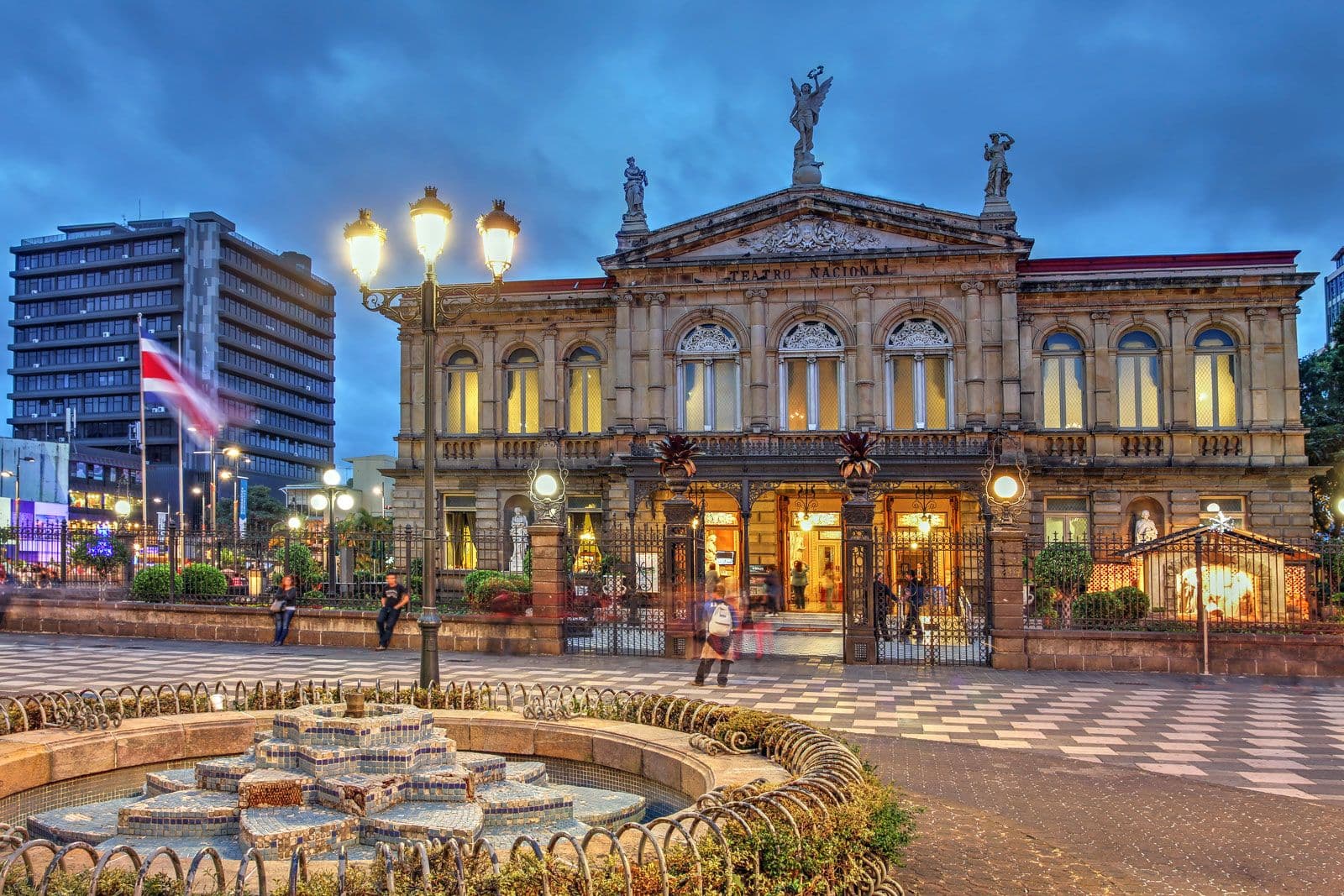
- Teatro Nacional (National Theatre): Costa Rica's most iconic building. Regular performances — orchestra, ballet, theatre. Tickets: $10–$40. Worth visiting even if just for the architecture and café.
- Museo de Jade and Museo del Oro: Pre-Columbian art collections. The Jade Museum is world-class. $5–$10 entrance.
- Mercado Central: The chaotic, authentic downtown market. Produce, meat, seafood, leather goods, and the best cheap casados in the city ($3–$5). Go during daylight, keep valuables secure.
- La Sabana Metropolitan Park: The "Central Park" of San José. Running paths, lake, outdoor gym, National Stadium. The social center for Sabana-area residents. Free.
- Weekend escapes: Route 27 to Jacó beach: 1.5 hours. Poás Volcano: 1.5 hours. Coffee plantations (Doka, Britt): 45 min. The Central Valley position makes San José the best hub for weekend day trips.
Who Should (and Shouldn't) Live in San José
San José Is Perfect For:
- Digital nomads who want the best walkable urban lifestyle in Costa Rica
- Foodies (Escalante is unmatched in the country)
- People who want car-free living (the only place in CR where this works)
- Professionals who need daily access to government offices, banks, and embassies
- Anyone who prioritizes healthcare proximity (Clínica Bíblica 10 min, CIMA 20 min)
- Budget-conscious expats who want premium Central Valley living at 15–25% below Escazú prices
Consider Somewhere Else If:
- You want beach access (any coastal town)
- You have school-age children and need international schools nearby (Escazú, Santa Ana)
- You want a house with a yard (Santa Ana, Atenas)
- You hate urban noise, traffic, and density even in small doses (Atenas, Nosara)
- You want a large, established retiree community (Atenas, Grecia)
Frequently Asked Questions
How much does it cost to live in San José?
Single nomad in Escalante: $1,800–$2,800/month. Couple in Sabana: $2,500–$4,000. No AC costs. The cheapest premium Central Valley option — 15–25% below Escazú/Santa Ana.
Best neighborhoods?
Escalante (nomads, foodies, walkable), Sabana (luxury, park views, executive), Rohrmoser/Nunciatura (quiet, diplomatic), Los Yoses (affordable, residential). Avoid downtown for living.
Is San José safe?
Premium neighborhoods (Escalante, Sabana, Rohrmoser, Los Yoses): safe with standard precautions. Downtown (El Centro): higher petty crime. Use Uber after dark. Buildings with security are the standard. Safer than most Latin American capitals.
San José or Escazú?
San José: walkable, cheaper, best food scene, car-free, younger energy. Escazú: suburban, families, malls, CIMA hospital, international schools. San José for singles/nomads. Escazú for families.
What is Barrio Escalante like?
The culinary capital of Costa Rica. 50+ restaurants on a walkable grid. Craft beer, specialty coffee, fine dining, street food. The most vibrant neighborhood in the country. Think Brooklyn meets Latin America at a fraction of the cost.
What is the weather like?
70–80°F year-round at 1,100m elevation. No AC, no heating. Dry season: sunny. Green season: morning sun, afternoon showers. 15–20°F cooler than any coastal town. The most comfortable climate in the country.
What about healthcare?
Best in the country. Clínica Bíblica (5–15 min), Hospital Metropolitano (10 min), CIMA (15–20 min). Every medical specialty available. English-speaking staff. San José has the fastest hospital access of any expat location in Costa Rica.
Is it good for digital nomads?
Excellent. Fiber 100–500 Mbps. Multiple coworking spaces. Dozens of laptop-friendly Escalante cafes. Reliable Uber. Government offices nearby. CST time zone aligns with US hours. Best urban nomad base in Central America.
Do I need a car?
No — the only expat town in Costa Rica where car-free living works. Escalante and Sabana are walkable. Uber costs $3–$5 per trip. A car is actually a liability (traffic, parking, break-in risk).
What about the traffic?
Brutal during rush hours (7–9 AM, 4–7 PM). Irrelevant if you live in a walkable neighborhood and work remotely. Uber navigates it for you. If you must commute to an office, live within walking distance.
Primary Data Sources & Verification (2026):
- Clínica Bíblica / Hospital CIMA / Hospital Metropolitano — Healthcare access and services
- Encuentra24.com — San José rental price aggregates by neighborhood
- Instituto Meteorológico Nacional (IMN) — Central Valley climate data
- Kolbi / Liberty / Telecable — Fiber internet coverage maps for San José
- Uber Costa Rica — Ride pricing and coverage area
- DGME / Ministerio de Hacienda — Government office locations
- CostaRicaBoard Verified Directory — Real estate agents, restaurants, and services in San José
Top Businesses in San José
106 reviews